- Home
- Bloat in rabbits
Bloat in Rabbits
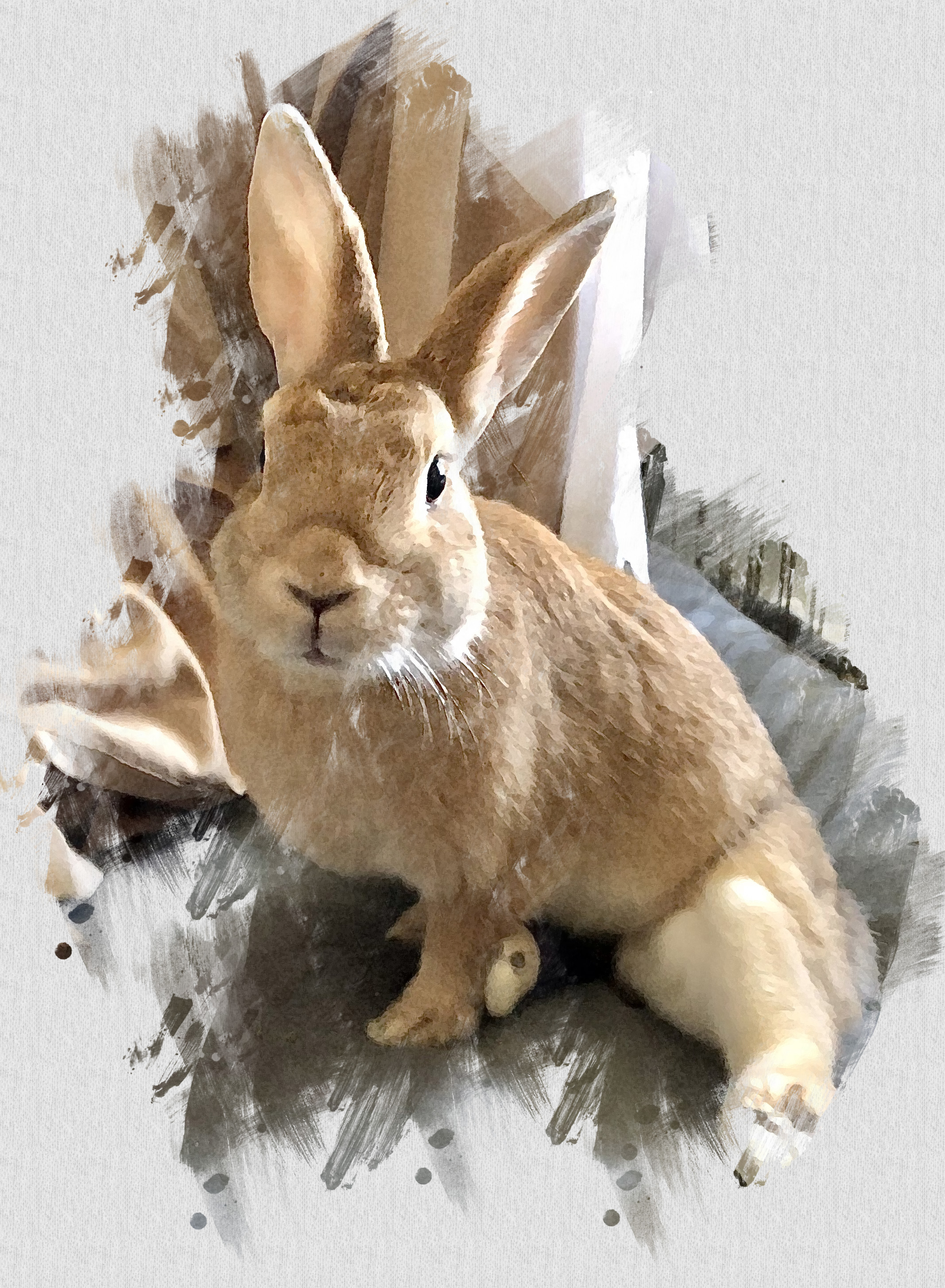 This article is dedicated to Dior. Binky free, little girl!
Key Points:
- Bloat in rabbits is a serious, time sensitive, medical emergency.
- Bloat is different from GI stasis. Bloat is an obstruction somewhere in the small intestine, usually near the pylorus, which is the valve which connects the stomach to the duodenum (the first part of the small intestine).
- The obstruction is usually excess, matted fur, but it can also be a foreign object or health condition such as a tumor, abscess or adhesion.
- Treatment involves gastric decompression, IV fluids, strong pain medication and sometimes surgery.
When It's More Than GI Stasis
Bloat in rabbits is one of the most serious and painful health conditions. This is a medical emergency and requires prompt treatment. The faster you act, the better the rabbit has a chance to survive. This condition needs immediate veterinarian intervention to resolve as treatment often involves gastric decompression, IV fluids, strong pain medication and sometimes surgery.
How Does Bloat In Rabbits Occur?
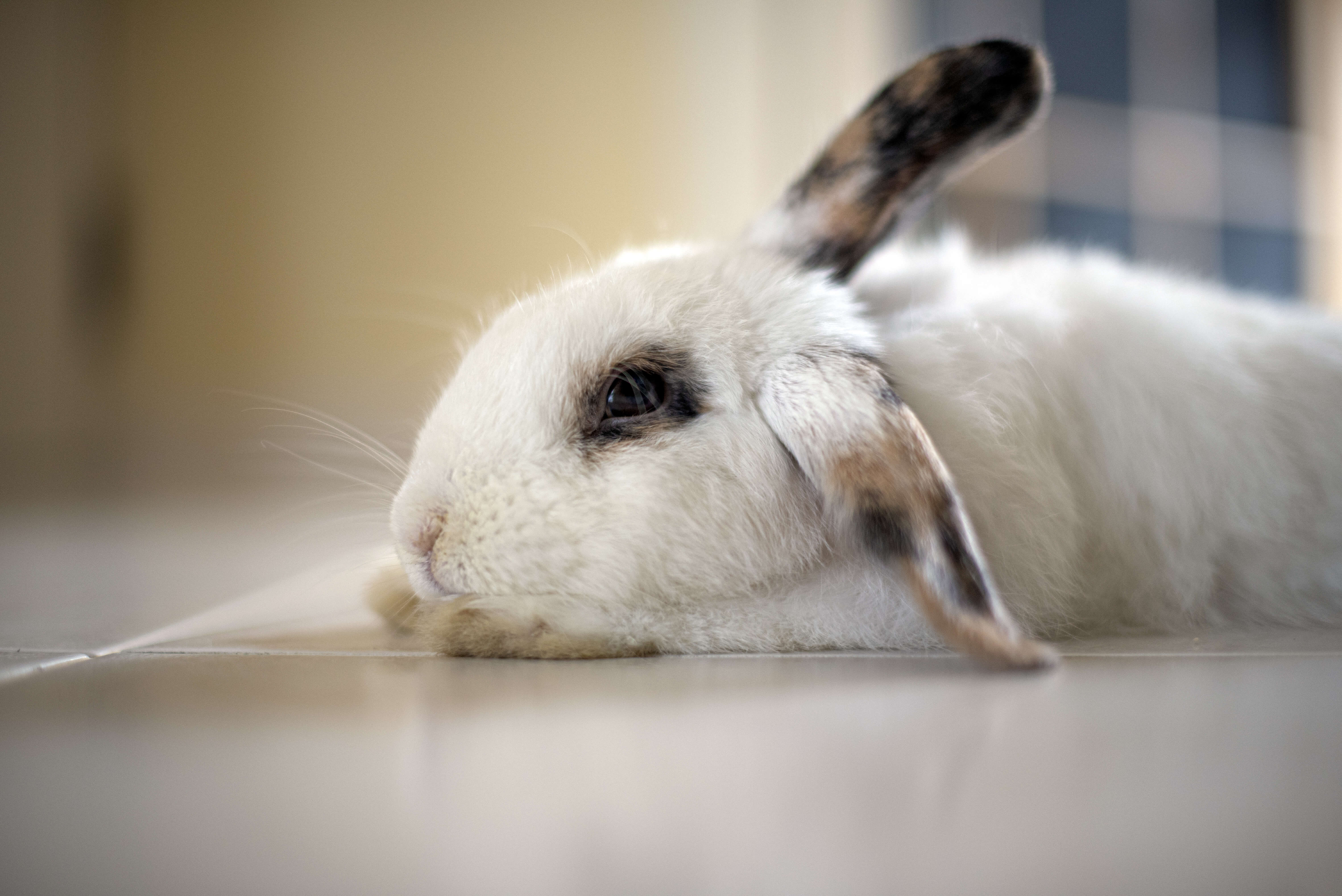 Photo by Albo|Shutterstock.com
Simply put, bloat (or gastric dilation) occurs when there is a blockage somewhere in the small intestine, preventing stomach contents from moving through the digestive system. Since rabbits are unable to vomit or burp, the obstruction causes fluid and gas to accumulate with no place to go. This is different from GI Stasis! GI Stasis is a slowdown of the GI tract and may happen for a variety of different reasons. It is a symptom which can indicate that the rabbit is sick due to an infection, injury or health condition (such as overgrown teeth), stress or bad diet. There is no blockage in the GI tract.
Many different species can experience bloat (for example in dogs the stomach can twist, trapping the contents inside), but for rabbits, the cause is frequently an object trapped somewhere along the small intestinal tract. This object is often excess fur - especially during periods of heavy shedding, but it can be something foreign, such as carpet fibers, hard plastic, or certain foods like corn kernels. For those with chronic dental issues or long-haired breeds whose coats are not frequently brushed or shaved, the bunny may swallow a thick mat of fur that can cause problems.
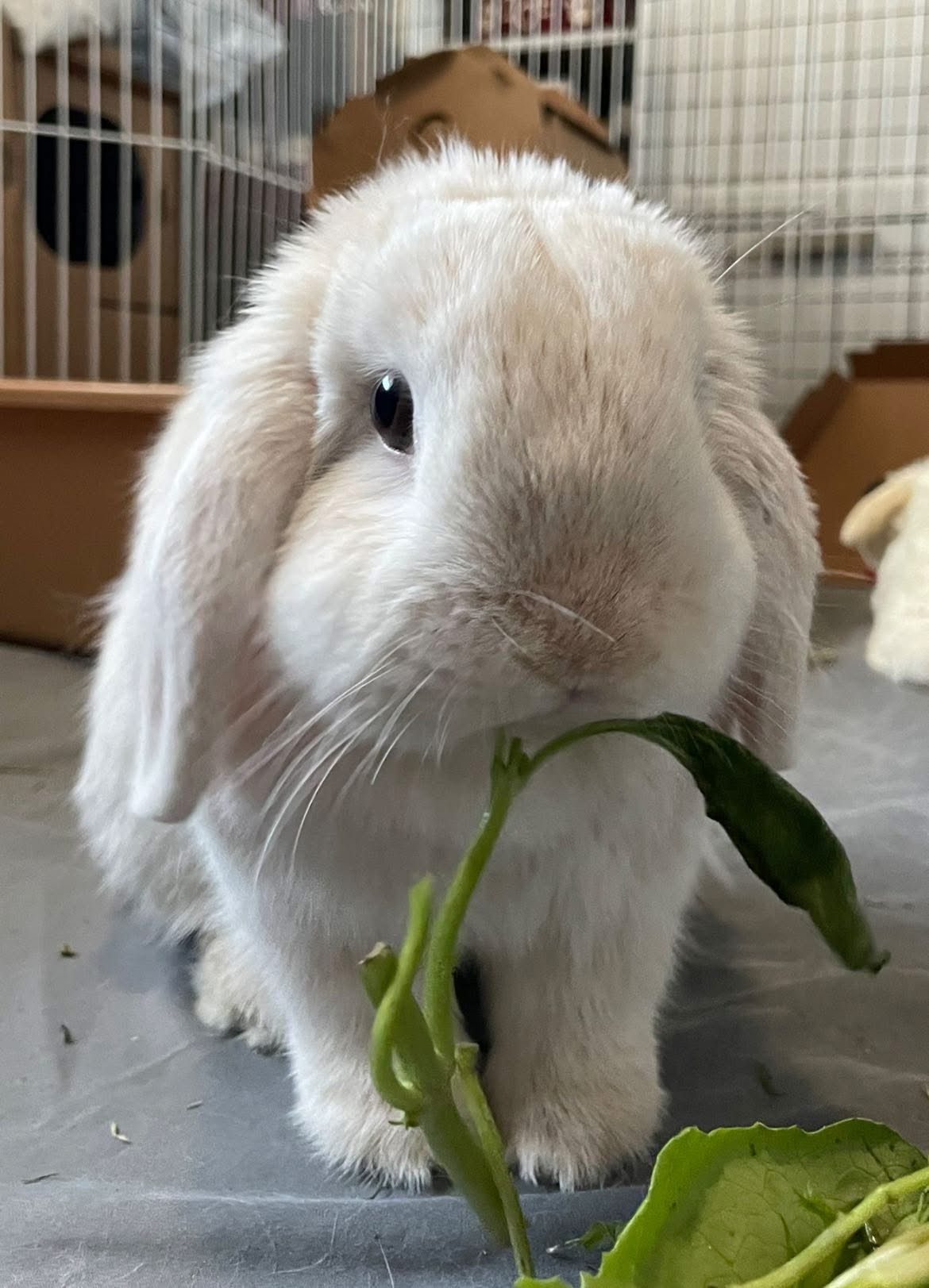 Lollilop Death Machine enjoying his dinner.
Rabbits will always have fur in their system. This is because they are always grooming themselves or their partners. As long as they consume enough long-stem fiber (aka hay), their digestive system can easily push the fur through (Varga Smith 2023). Rabbits with a history of dental disease are at a higher risk of bloat. Incisor problems can interfere with the ability to properly pull out hair, leaving fur to mat before the bunny is able to remove it effectively. Molar issues may hamper a bunny's ability to consume enough hay. If you have a bunny with chronic dental issues, it's important that your bunny visits the vet in a timely manner.
You might like these
GI Stasis in Rabbits
GI stasis in rabbits in the most common condition owners will encounter at least once in their bunny's life.
 Photo by Cameilja|Shutterstock.com
Dehydration can play a role in bloat. It may be the reason for the obstruction, or it can be the result of the obstruction. It may not be easy to detect on a rabbit, as the body may pull fluid from the gastrointestinal system giving the appearance of hydration (Moore and Smith, 2008). Food and fur may clump together to form a mass that is slightly larger than what can easily pass through the intestine. Often times, a rabbit placed on IV fluids can be rehydrated, which in turn will help break up the obstruction, allowing it to continue through the GI tract.
Foreign objects like hard plastic, carpet fibers, large pieces of towel or even some food (such as corn kernels, dried peas or locust bean seeds) may cause a blockage. When rehydration alone does not resolve this, the bunny may need to undergo surgery to remove the object. It's important to note that certain foreign objects don't automatically create a blockage. I've had many rabbits swallow a piece of towel, carpet fibers, or even a nice sized chunk of a rubber glove (thank you, Emma). All three examples are materials that are flexible and can be pushed through the digestive system sometimes (but not always) without any harm. That being said, I don't ignore the towel chewing, and I remove the item quickly and even try to pull the piece out of the mouth, if I can.
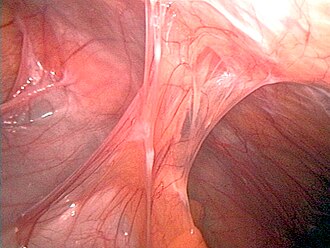 Adhesions after human appendectomy.
Hic et nunc Public Domain via Wikimedia Commons
Certain diseases can also contribute to bloat. Adhesions, hernias, abscesses and neoplasms can externally compress parts of intestinal tract (Quesensberry, et al. 2021).
Adhesions are bands of fibrous tissue that connect either two or more organs together or they may connect organs to the abdominal wall. These form as a response to tissue injury which may happen due to open abdominal surgery (such as a spay), or inflammation due to an infection somewhere in the abdominal cavity or the spread of cancer. If adhesions form around the bowel, the bands can twist, pull or clamp down on the intestine like a vise. Abscesses, inflammatory lesions, and tumors can cause an obstruction anywhere in the GI tract (Harcourt-Brown 2002).
How Is Bloat In Rabbits Diagnosed?
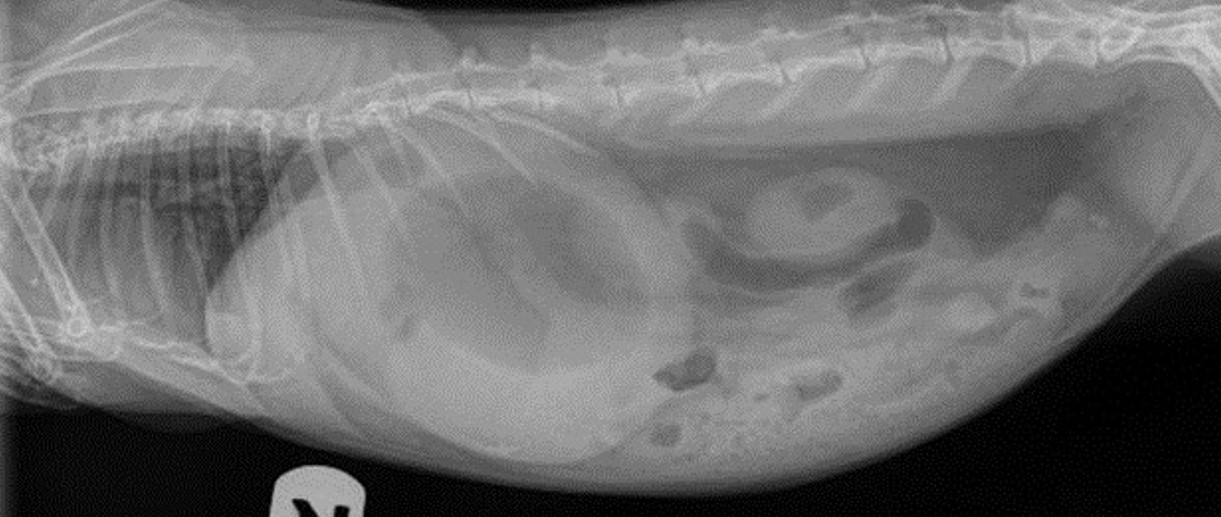 Radiograph of a rabbit in bloat.
Photo courtesy of Dr. Sari Kanfer, Exotic Animal Veterinary Center.
An owner's first signal that something is wrong will probably be GI stasis (remember, GI stasis is a symptom). Symptoms will come on very quickly. The bunny will stop eating, and he may be sitting in a hunched position in a corner or under a box. He may show classic signs of pain - eyes narrowed, teeth grinding, flattened cheeks and a reluctance to move. The body temperature will be lower than normal. The biggest bloat clue for the owner is in the stomach and abdomen area. In a bloated rabbit the stomach may be enlarged and feel firm to the touch. It can feel very much like a watermelon or a water balloon. This is because the build-up of fluid and gas happens in an area closest to the obstruction. Note that if the obstruction is not near the stomach, but further down the GI tract, it might be harder for the average owner to feel any dilation. It's important to know that in the earlier stages, the stomach may look only mildly distended and may not feel unusually hard to the touch. However x-rays will show a typical gas pattern.
You might like these
Identifying Rabbit Pain
Identifying rabbit pain can be tricky for us owners. Since rabbits are prey animals, they do not like to advertise when they are not feeling well.
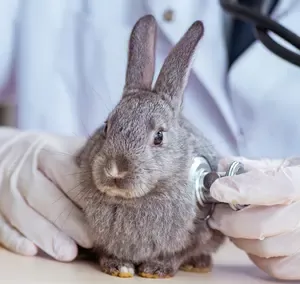
Important: Normally a bunny's stomach should be a balance between firm and soft. A stomach in regular GI stasis will typically feel soft and doughy, while a bloated stomach is often distended and hard.
To have a better understanding how your bunny's abdomen should feel, practice palpating your bunny's stomach when he or she is healthy. You don't want to learn this during an emergency.
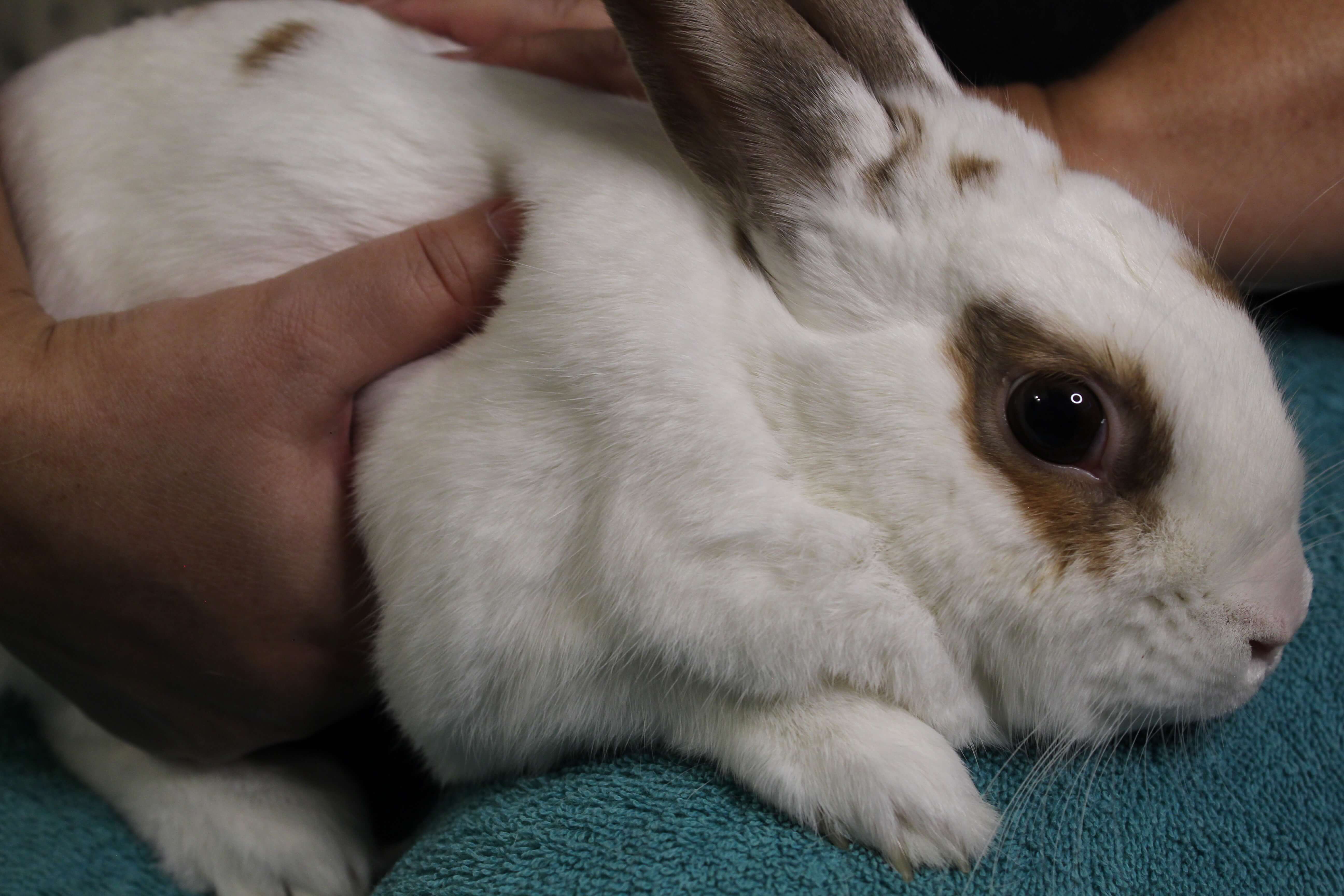 The perfect time to learn how your bunny's stomach should feel is during a wellness check/grooming session.
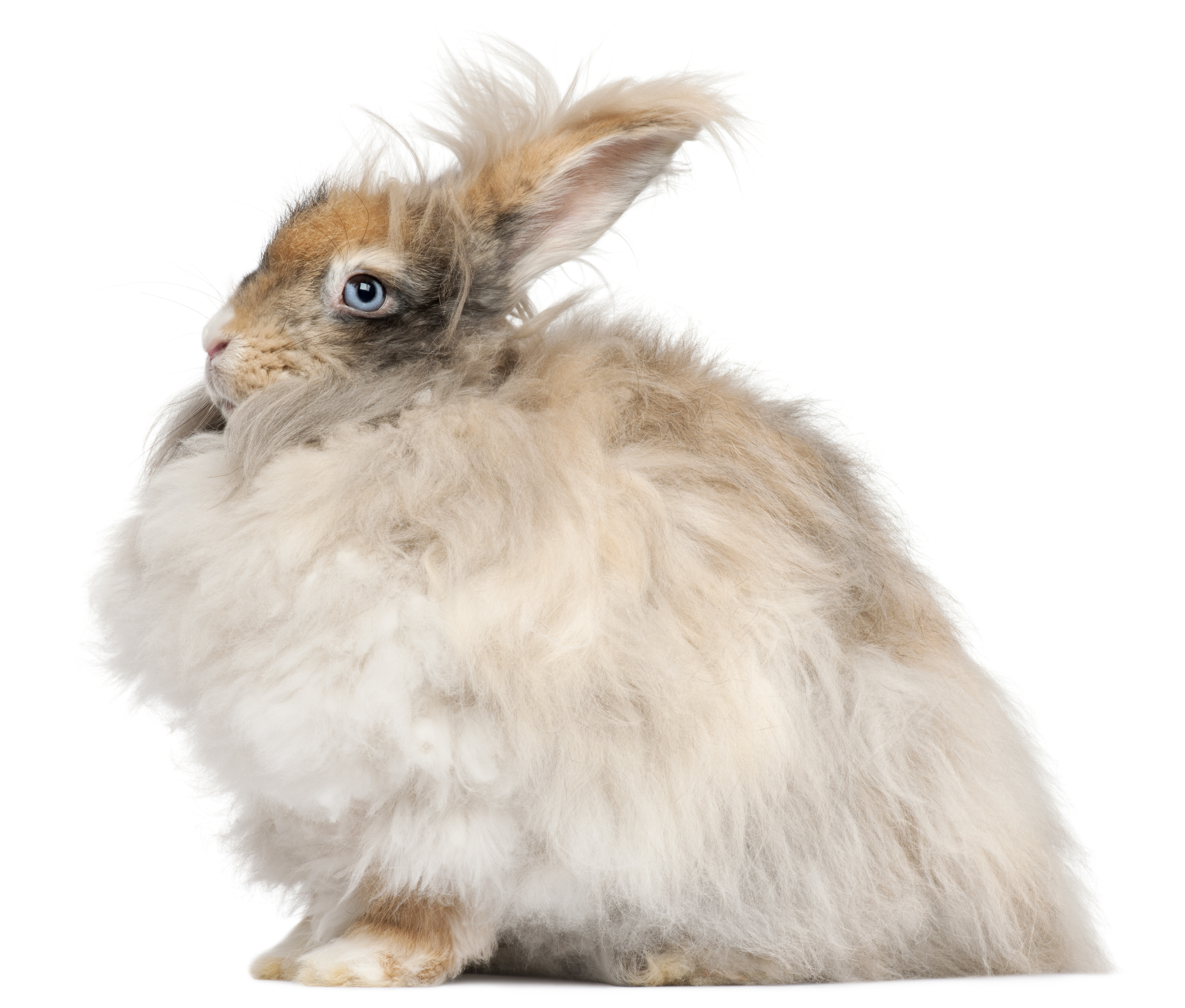 There is always fur in a rabbit's gut, which typically moves through the GI tract with no problems. The problem becomes when mats of fur get swallowed while the rabbit is grooming themselves. Long-haired rabbits are at higher risk and need frequent grooming.
Photo by Eric Isselee/Shutterstock
Veterinarians have a more precise way of diagnosing an obstruction. They are better at palpating the abdominal area than the average owner, and can estimate where the source of the obstruction lies. X-rays and ultrasound of the abdominal area may give details such as the precise location of the obstruction, the presence of gas, liquid, etc. However, if the patient is not stable enough for sedation, x-rays may not be done until later.
Initial blood work will give the vet a great deal of information.
- What is the PCV/TS (Packed Cell Volume/Total Solids) values? Is the bunny anemic and/or dehydrated?
- What are the values of the liver enzymes? Extremely high liver levels coupled with anemia indicate liver lobe torsion, which is another life-threatening condition.
- BUN and creatinine levels, which reveal kidney function, will be high in cases of bloat.
- What is the Blood Glucose level? This is used as a prognostic indicator. If blood glucose levels are slightly elevated, this could mean that the bunny is just in GI stasis. Much higher levels confirms an obstruction and the seriousness of it. The higher the number the more aggressive the treatment will need to be.
Disease Progression
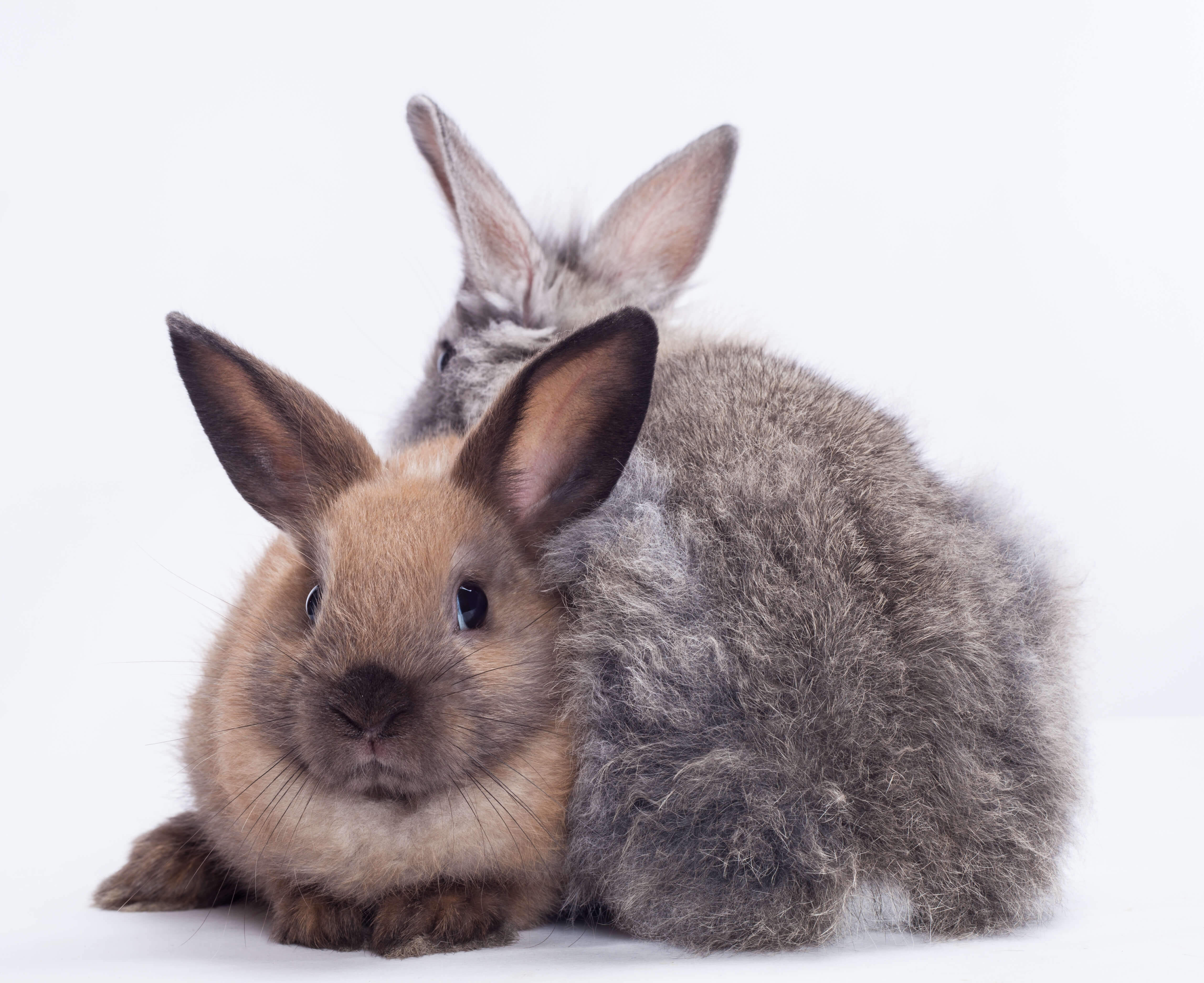 Photo by Djem/Shutterstock
The most common cause of death from an acute intestinal obstruction is hypovolemic shock, caused by a sudden loss of fluid from the body into the lumen (the inside of the intestines) proximal to (in front of) the obstruction (Quesenberry, et al. 2021). Hypovolemic shock happens when there is a decrease in the amount of blood volume passing through the heart, which in turn starves the tissues of necessary oxygen. The expansion of gas in the stomach and intestines can also interfere by cutting off blood circulation, thus exacerbating the condition. The decrease in blood flow through the kidneys is what elevates BUN and creatinine levels. When treating bloat, the vet will use IV fluids, hypertonic saline and vetstarch to increase blood pressure. With the increase blood flow, the kidneys and the gut have a chance to start working properly again.
The location of the obstruction will determine how rapidly the symptoms progress. Most obstructions occur near the pylorus, which is the valve which connects the stomach to the duodenum (which is the first part of the small intestine). Obstructions here can result in death within 6-8 hours (if left untreated). Further down the tract, a bunny may have 12-24 hours since it takes longer for the lumen to fill with fluid and gas. Obstructions in the colon are more likely due to tumors, adhesions or cecal contents (Varga Smith 2023).
- Within one hour of the obstruction, gas from certain types of gut flora begin to build-up.
- Sodium and fluid secretes rapidly into the intestine near the obstruction. However because of the blockage, the fluid cannot escape.
- Accumulation of fluid and gas stretches the small intestine and eventually the stomach. This expansion can interfere with blood flow, and segments of the small intestine where the obstruction is lodged can become necrotic if the object does not move.
- Stomach (and sometimes intestines) can suddenly rupture, or the bunny passes from hypovolemic shock. Bloat is also painful. If pain is not managed, a rabbit may die because of it.
Treating Bloat in Rabbits
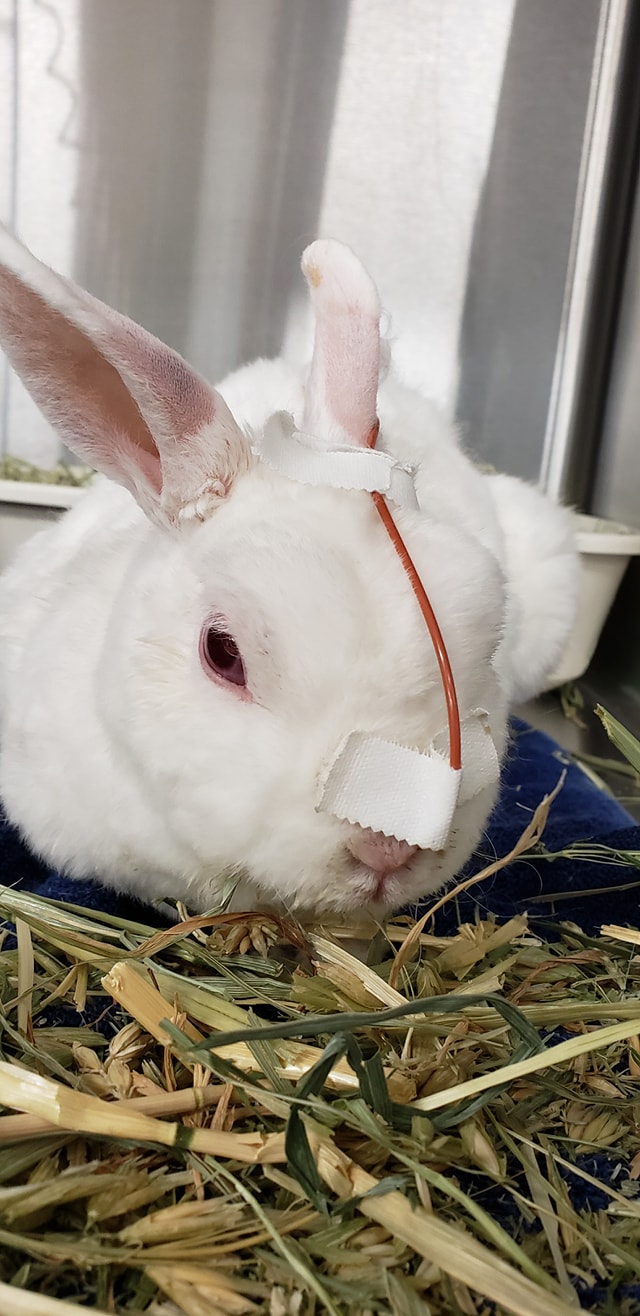 Zooh Corner Sanctuary Rabbit, No! Twinkle Star, with a nasogastric tube.
 Photo courtesy of Zooh Corner Rabbit Rescue.
Bloat is a condition that cannot be ignored. Medical treatment should begin immediately. External heat support, IV fluids (to prevent shock and restore electrolyte balance), stomach decompression (to remove fluid and gas) and strong pain medication are all essential.
NSAIDs like meloxicam, are not recommended unless blood test results indicate that the bunny is not dehydrated or in renal distress. Instead the bunny will probably be put on strong opioids such as buprenorphine, butorphanol or hydromorphone. Lidocaine administered through an IV drip has also shown to be highly beneficial to manage pain.
The stomach is decompressed by passing an orogastric (a tube passed through the mouth) or a nasogastric tube (through the nose) into the stomach. The bunny will need to be sedated or anesthetized for this process. Percutaneous trocharization (the technique of inserting a needle into the stomach to draw out fluid) is not recommended as the possibility of rupturing the stomach is high. The stomach may need to be decompressed more than once.
Motility drugs such as cisapride and metoclopramide are not advised as they may cause ruptures in the stomach or intestinal tract.
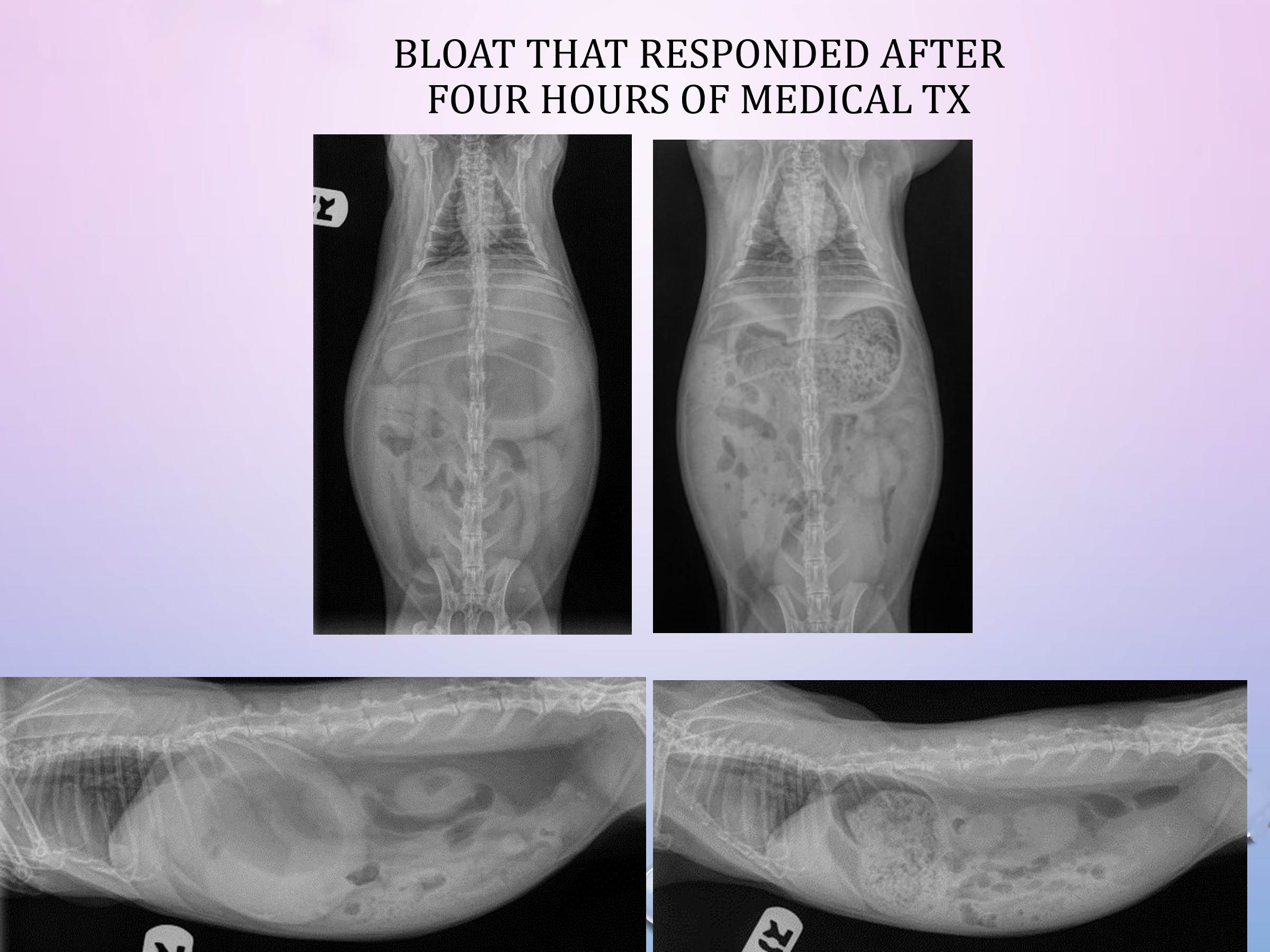 The photos on the left side (top and bottom) show the gas patterns and the size of the stomach at the beginning of treatment. On the right side (top and bottom) the images show what the stomach and intestines look after 4 hours of treatment.
 Photos courtesy of Dr. Sari Kanfer Exotic Animal Veterinary Center.
Multiple x-rays will track the movement of the obstruction. The gas patterns should shift further down the intestines if medical treatment is working and the obstruction is making its way out. If movement is not seen, surgery may be advised as it suggests that the obstruction is either stuck or there may be some external factor such as a tumor, abscess or adhesion present.
During surgery, the vet may be able to move the obstruction manually or cut it out entirely. The decision will depend on the location of the obstruction and/or the condition of the intestine. If large portions of the small intestine show signs of necrosis, the prognosis of recovery is poor and the vet may recommend euthanasia. However surgery is not always necessary and carries significant risks. In fact, most cases of bloat are successfully treated with aggressive fluid treatment, pain management and stomach decompressions.
Story of Dior
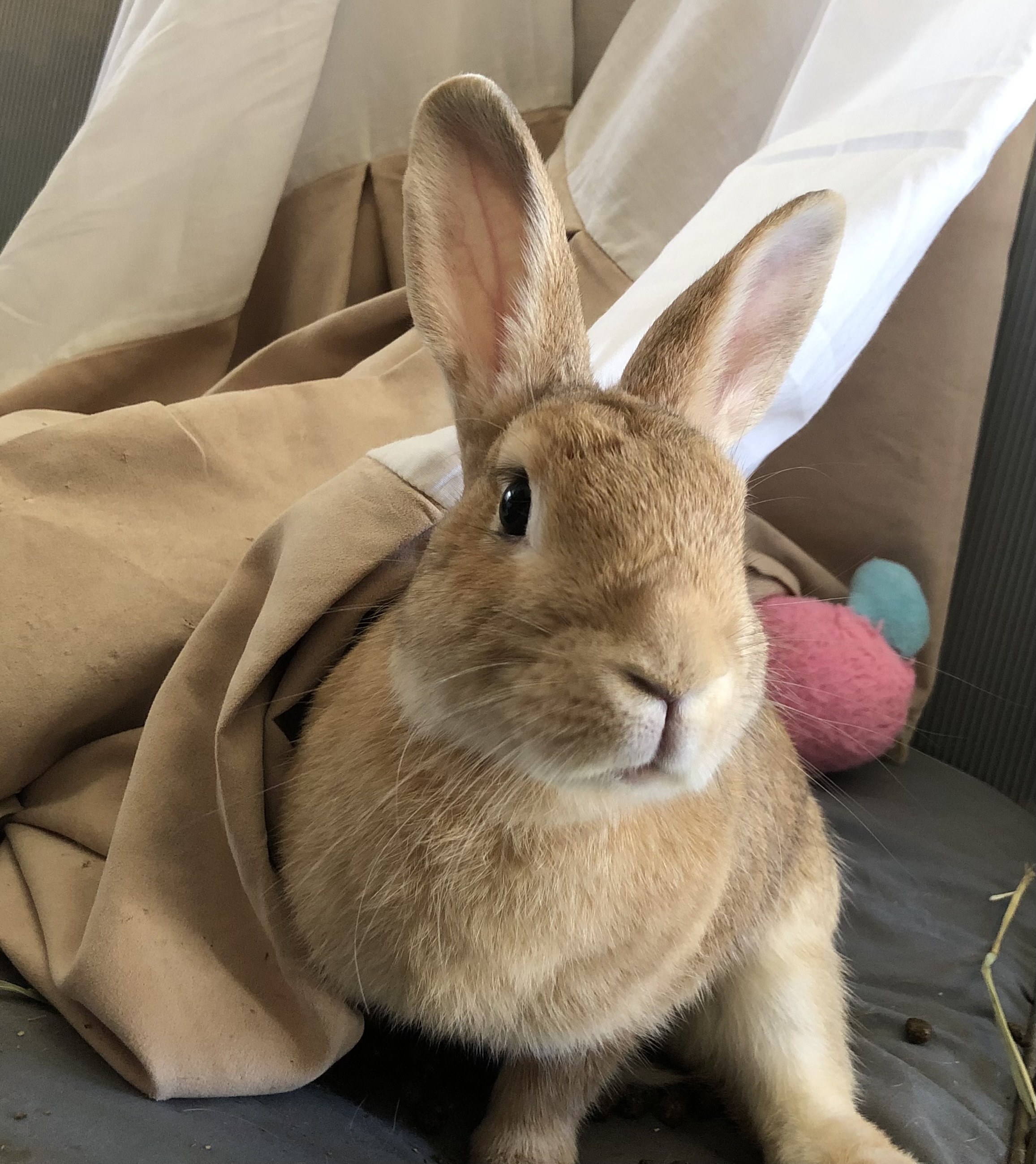 Playful Dior. She was always ready to make you smile. Love you forever, my girl.
Dior was a wonderful girl I adopted in 2021 from her previous owner who was simply overwhelmed with the special care Dior required. In February 2022, I noticed Dior was not interested in food. I brought her in for a quick check-up at the vet. The vet initially did not find anything unusual, but told me to bring Dior in the next day if things did not improve. I stayed up all night with Dior, but she would not eat or poop. The next day, I brought her back to the clinic, where Dior was admitted into care. For the next 4 days Dior was in urgent care where there was no improvement in her condition. Repeated x-rays, ultrasound, and blood work gave only partial answers to what was happening. The vet suspected a partial blockage since there were periods where Dior seemed to perk up and pass some poop, then become depressed again. The situation was becoming more dire. Finally, the vet recommended surgery. We needed to know what was going on and the diagnostic tests at this point had not been helpful. So on a Saturday night, I approved for the soft-tissue specialist surgeon and my vet to perform surgery on my girl. Once they opened her up, my vet understood immediately what the problem was. There were adhesions everywhere strangling the intestines, causing the partial blockage. The only thing to do was to let Dior go.
I authorized a necropsy, and it was discovered that Dior had developed an abscess on her appendix (which is located at the tip of the cecum). The abscess had ruptured, causing massive inflammation in the abdominal cavity. This inflammation resulted in adhesions quickly forming between the abdominal walls and the intestinal tract. Although Dior would have passed away from sepsis, it was the adhesions which caused the immediate emergency and the initial trip to the vet.
Dior's case was not a typical bloat situation as there was not an actual plug within the intestines, but it was an example of a blockage occurring secondary to the primary issue (which in her case was the abscess). It was an unforeseen circumstance where Dior could not be saved. I do hope future medicine will find a way to save our bunnies from such situations.
Preventing Bloat in Rabbits
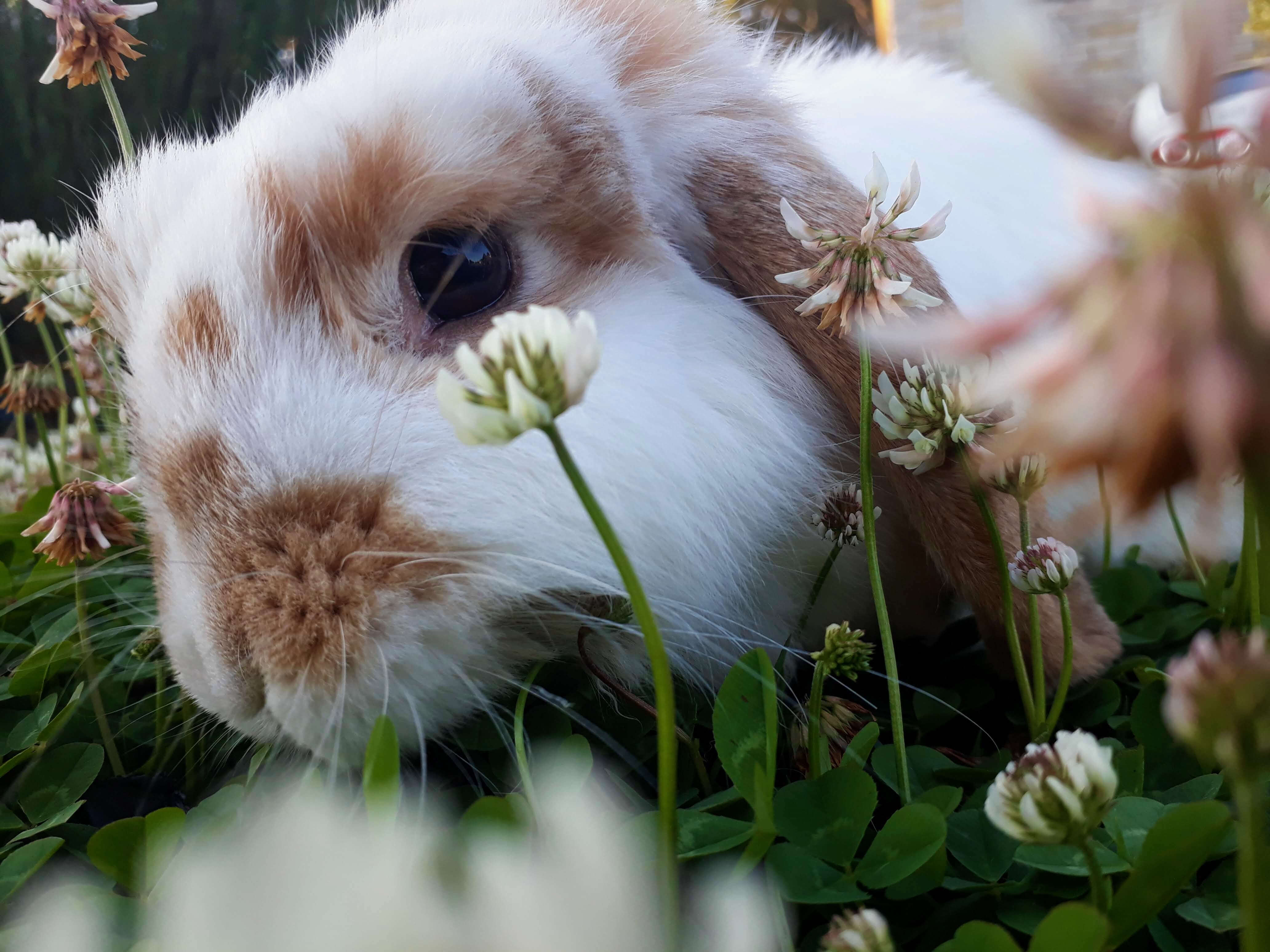 Photo by Sasha_Wilks/Shutterstock
A proper diet of hay, veggies, plenty of fresh water and exercise will reduce the chance of illness in your bunnies, but will not eliminate it completely. Some rabbits may be genetically predisposed for GI issues, and some - at some point in their lives - will put something in their mouths that does not come out the other end.
Since fur is a frequent culprit for bloat, making sure your bunny is regularly groomed is essential. A word of caution though, do not comb your bunny until he is bald, and his skin is irritated and bleeding. Stressing your bunny out can lead to GI stasis and damaging your bond with your pet. A better solution is to have shorter (10-15 minutes) - but more frequent (every 2-4 days) combing sessions during heavy shedding periods.
Some veterinarians may also recommend Laxatone hairball remedy during shedding periods to help excess fur pass more easily through the GI tract. This may be a good solution for those bunnies who readily and frequently bloat during heavy shedding cycles.
As caretakers, we can reduce the risk by avoiding mixed-pelleted brands and treats that include seeds, corn kernels, peas, etc. Bunnies usually love to pull up carpet and chew up towels. Most of the time when they pull out the fibers, it is deposited into a pile. If they start eating large pieces of towel, carpet or excess amounts of cardboard, you need to remove the object or (in case of carpet) keep the bunny away from that area.
Bunnies with chronic dental issues are particularly at risk. Provide a high fiber diet (if your bunny has few to no teeth, make sure to provide a high quality supplemental feed like Critical Care). For both dental and long-haired bunnies, please make sure they are regularly groomed (at least every 6-8 weeks, more frequently if it is shedding season).
It's important that we always keep an eye on our bunnies. Many health issues are time sensitive, and none more so than bloat. This illness is not something that can be solved at home. As soon as you suspect your bunny may be in distress, contact a vet as soon as possible.
A special thank you to Dr. Sari Kanfer of Exotic Animal Veterinary Center in Pasadena, CA for reviewing this article and providing the radiograph images.
Also a very special thank you to Dr. Karen Schachterle at ACCESS Specialty Animal Hospital, Los Angeles for taking such good care of my girl Dior.
Further Reading
Borsdorf, M.C. (June 4, 2024) "Rabbit GI Stasis" College of Veterinary Medicine. www.vetmed.illinois.edu/2024/06/04/rabbit-gi-stasis/
Boyd, C. and Smart, L. (2018). Hypovolemic Shock. In Textbook of Small Animal Emergency Medicine (eds K.J. Drobatz, K. Hopper, E. Rozanski and D.C. Silverstein). https://doi.org/10.1002/9781119028994.ch153
DeCubellis J, Graham J. Gastrointestinal disease in guinea pigs and rabbits. Vet Clin North Am Exot Anim Pract. 2013 May;16(2):421-35. doi: 10.1016/j.cvex.2013.01.002. Epub 2013 Feb 8. PMID: 23642870; PMCID: PMC7128126.
Harcourt-Brown, F. 2002. Textbook of Rabbit Medicine (1st Ed). Butterworth Heinemann.
Hollwarth, A. Acute Abdomen in Rabbits and Guinea Pigs. Improve Veterinary Education. June 7, 2023
Melillo A. Rabbit Clinical Pathology. J Exot Pet Med. 2007 Jul;16(3):135-145. doi: 10.1053/j.jepm.2007.06.002. Epub 2007 Sep 18. PMID: 32362792; PMCID: PMC7185592.
Moore, L.C. & Smith K. 2008. When Your Rabbit Needs Special Care: Traditional and Alternative Health Methods. Santa Monica Press.
Oglesbee BL, Lord B. Gastrointestinal Diseases of Rabbits. Ferrets, Rabbits, and Rodents. 2020:174–87. doi: 10.1016/B978-0-323-48435-0.00014-9. Epub 2020 May 29. PMCID: PMC7258705.
Quesenberry, K.E., Orcutt, C. J., Mans, C., Carpenter, J. W. 2021. Ferrets, Rabbits and Rodents Clinical Medicine and Surgery (4th Ed.). Elsevier.
Varga Smith, M. 2023. Digestive Disorders Textbook of Rabbit Medicine 3rd Ed. pp. 171-174. Elsevier.
The information presented is for educational purposes only and does not substitute veterinarian care. This information should not be used for diagnostic purposes, for treatment of an illness or injury and never should be substituted for veterinarian care by a licensed veterinary practitioner. The Educated Rabbit cannot be held responsible for the accuracy of the information contained, nor be held responsible for any action, based on information found in the Educated Rabbit.
Seek advice from your veterinary professional for any rabbit health issues and before administering any drugs!
Now Available!
Recent Articles


-
Welcome Brandon!
Nov 07, 24 08:29 PM
Hello! What a week! I will not speak about the elephant in the room, but I'll tell you that I'm recovering from a nasty cold and dealing with horrible allergies. Breathing sucks. BUT there is some del… -
Medgene Guidelines
Oct 18, 24 09:00 PM
Hello! The Association of Exotic Mammal Veterinarians recently posted about the Medgene RHDV2 vaccine. Medgene, who is the manufacturer, has updated their label to recommend vaccinating rabbits every… -
Stay Safe! Part 2
Oct 10, 24 12:21 AM
continued from Part 1 5. Medications and a First Aid kit. This is an excellent time to purchase my First Aid Guide for the Domestic Rabbit. It details what you should have in a First Aid kit and what…


Copyright © The Educated Rabbit 2019-2026. All Rights Reserved. | Privacy Policy